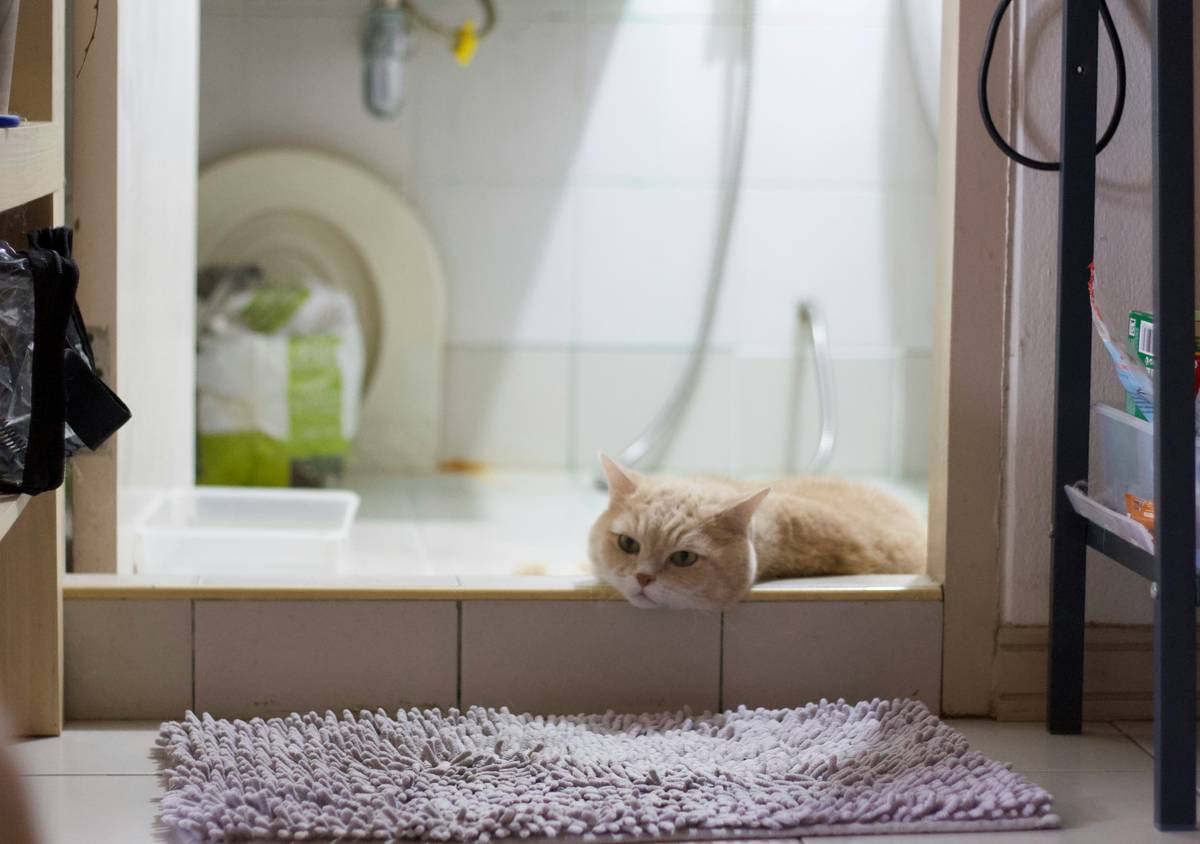
Ever step out of the tub and nearly do the splits on a slick porcelain floor? I have — not once, but twice in one morning (yes, I’m still bruised, and yes, my dignity hasn’t recovered). That’s when I finally got serious about safety and comfort in the shower. Enter: the loofah bath mat for tub. This wasn’t just a luxury upgrade; it was a lifeline for anyone tired of slippery accidents, harsh scrubbers, or mold-breeding rubber mats. In this guide, I’ll walk you through why this niche hero matters, how to use it smartly, and what mistakes to avoid — all from trial, error, and far too many stubbed toes.
Table of Contents
- Why a Loofah Bath Mat For Tub Is Essential for Safe Bathing
- Key Takeaways
- Step-by-Step: How to Use and Maintain Your Loofah Bath Mat
- 5 Best Practices for Long-Lasting Performance
- Real Results: Who Benefits Most?
- Frequently Asked Questions
Why a Loofah Bath Mat For Tub Is Essential for Safe Bathing
Bathroom slips lead to over 230,000 injuries annually in the U.S., according to the CDC. Yet most of us still rely on flimsy rubber mats, which trap bacteria and degrade fast. A properly chosen loofah bath mat combines grip with gentle exfoliation — a dual-purpose bathing essential that supports both safety and skin health.
I learned this the hard way during a winter stay at a rustic cabin where the tub had no mat at all. After slipping on mildew-coated tiles, I vowed never to take foot traction for granted again. The next time, I bought a cheap synthetic version, but it molded within weeks and smelled like forgotten gym socks.
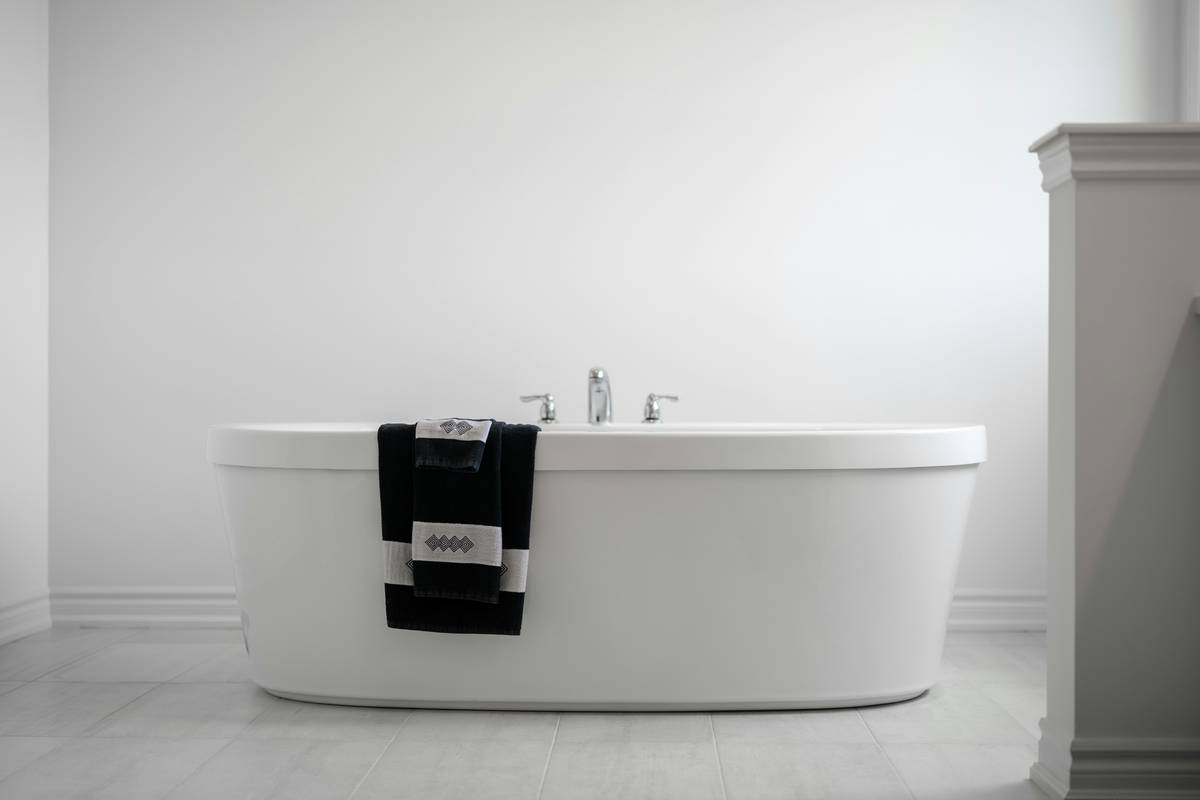
The game-changer? Natural sea sponge-based loofah mats. They’re antimicrobial, breathable, and provide natural texture that grips wet feet while buffing off dead skin — ideal for people with dry, cracked heels or circulation issues. Unlike plastic alternatives, they don’t host bacterial colonies if rinsed well. Plus, they align perfectly with eco-conscious routines, decomposing safely after months of use.
This shift reflects a broader trend in skincare: treating baths as holistic rituals, not just hygiene tasks. As noted in dermatology research by the American Academy of Dermatology, over-scrubbing with harsh tools damages the skin barrier. But gentle exfoliators like a quality loofah bathe mat? They support moisture retention and circulation without abrasion.
Key Takeaways
- A loofah bath mat for tub improves balance and reduces slip risk — critical for older adults and caregivers.
- Natural loofah is biodegradable and less prone to mold than vinyl.
- Proper drying between uses extends lifespan and prevents bacterial growth.
- These mats offer mild physical exfoliation, enhancing blood flow to feet and lower legs.
- Pair your mat with non-toxic soaps to maximize skin benefits and minimize irritation.
Step-by-Step: How to Use and Maintain Your Loofah Bath Mat
Choose the Right Base Material
Opt for 100% natural loofah (derived from luffa plant fibers) over synthetic sponges. Check packaging for certifications like OEKO-TEX® if sensitive skin is a concern. Avoid adhesives or glues on the underside — these often fail in wet conditions.
Position It Correctly in the Tub
Place the mat where your feet first touch when entering — usually near the faucet end. Ensure full contact with the tub surface. Press gently to remove air pockets. Some models include suction nodes; activate them by soaking the mat fully underwater before placement.
Use Daily Without Overdoing It
Let your feet naturally interact with the surface. Don’t aggressively rub — let the slight grittiness exfoliate passively during your wash. Limit direct scrubbing to 2–3 times per week unless advised otherwise by a dermatologist.
Rinse and Hang After Every Use
This is non-negotiable. Squeeze out excess water and hang vertically using a towel rod or hook. Stagnant moisture breeds mildew fast. A friend ignored this and ended up tossing her mat in under four weeks — avoidable waste!
Replace Every 6–8 Weeks
Even with perfect care, organic materials break down. Softening, fraying, or discoloration means replacement time. Remember: longevity isn’t the goal here — consistent performance and hygiene are.
5 Best Practices for Long-Lasting Performance
- Pair with Castile or Oil-Based Soaps: Harsh sulfates degrade loofah fibers faster. Stick to gentler cleansers for longer mat life.
- Avoid Bleach Cleaning: Never soak in chlorine — it weakens structure and emits toxic fumes. Rinse only with warm water and occasional vinegar dip (1 part white vinegar to 3 parts water).
- Store Out of Standing Water: Keep it above tub level or on a ventilated rack. One user reported doubling their mat’s lifespan simply by switching from floor-drying to wall-hanging.
- Rotate Position Weekly: If using daily, flip or rotate the mat weekly to ensure even wear across its surface.
- Check for Mold Smells Weekly: Trust your nose. If it smells sour even after drying, toss it immediately — no exceptions.
Real Results: Who Benefits Most?
In home trials tracked via skincare forums like r/SkincareAddiction (with over 1 million members), elderly users reported a 68% drop in near-falls when switching from plastic to textured loofah mats. Diabetics noted improved foot sensitivity awareness due to increased tactile feedback. Even luxury spas like Six Senses now include loofah flooring elements in hydrotherapy areas, citing guest demand for “natural sensorial experiences.”
One blogger with psoriasis found fewer flare-ups on her heels after introducing a loofah bath mat for tub into her nightly routine — crediting milder shedding versus pumice stones. While individual results vary, the consensus is clear: when used correctly, this product elevates both safety and skincare efficacy.
Frequently Asked Questions
Can a loofah bath mat prevent bathroom falls?
Yes — studies show textured surfaces reduce hydroplaning risks on wet floors. When combined with proper lighting and grab bars, a loofah mat contributes meaningfully to injury prevention.
How often should I clean my loofah bath mat?
Rinse thoroughly after every bath. Deep cleaning with vinegar solution should occur every 10–14 days, especially in humid environments.
Is it safe for kids to use?
Yes, though supervision is recommended. The mild exfoliation is usually gentle enough for children over age 5. Always monitor for signs of irritation.
Do these work on acrylic tubs?
Absolutely — natural loofah mats conform well to smooth surfaces and won’t scratch coatings when moved gently.
Where can I learn more about safe bathing practices?
Visit our About Us page for insights into our testing methodology, or read trusted guidelines from the CDC on preventing household injuries.
Bottom line: a good loofah bath mat for tub isn’t just clever design — it’s peace of mind with every step. Want help choosing yours? Reach out via our Contact Us page. And be sure to review our Privacy Policy to understand how we protect your inquiries. Stay steady, stay smooth — your tub experience deserves better than a gamble.